
Micronized Rubber Powder
Transforming waste rubber into a valuable secondary raw material, Micronized Recycled Rubber Powder offers a practical solution for manufacturers looking to reuse recovered rubber in a wide range of industrial and manufacturing applications.
NHA Rubbers offers Micronized Rubber Powder produced by processing suitable scrap rubber materials, including end-of-life tyres, into fine and controlled particles. Depending on the required particle size and application, recycled rubber can be processed into different mesh grades for use in rubber-product manufacturing, flooring products, moulded components, road applications and other specialised formulations.
The right Rubber Powder grade should always be selected according to the manufacturing process, compound formulation and performance requirements of the final product.
What Is Micronized Rubber Powder?
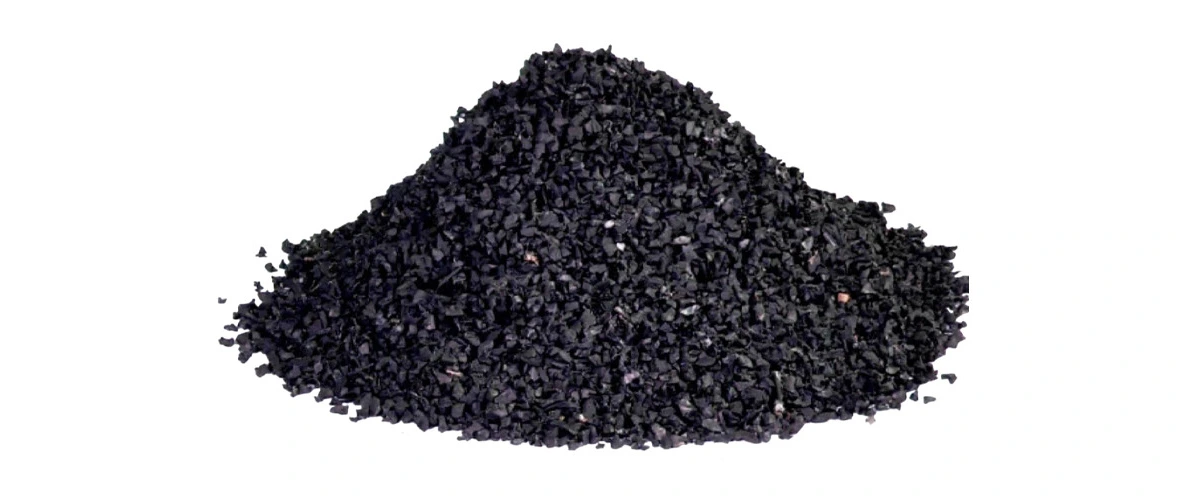
Micronized Rubber Powder is finely processed rubber material produced by reducing suitable scrap rubber or recycled tyre rubber into small, controlled particles.
Compared with coarser rubber granules, Rubber Powder has a finer particle structure. Depending on how finely the material is processed, it may be supplied in different mesh sizes or, for very fine grades, classified as Micronized Rubber Powder.
The fine particle size makes Rubber Powder suitable for applications where the recycled rubber needs to be mixed, blended, bonded or incorporated into another material or manufacturing formulation.
Rubber Powder can therefore function as a secondary raw material for selected rubber compounds, moulded products, flooring materials and other industrial applications.
How Is Recycled Micronized Rubber Powder Made?
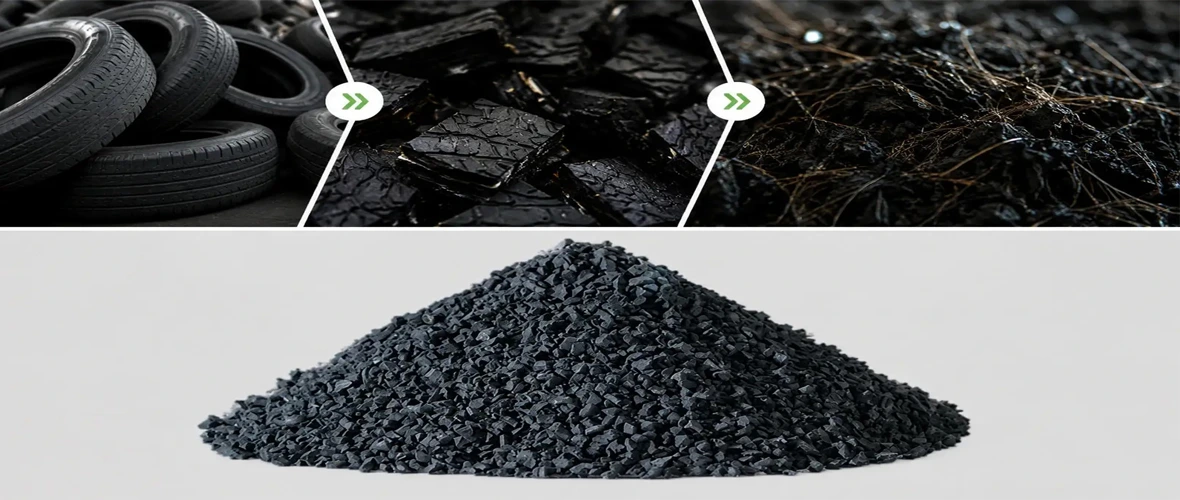
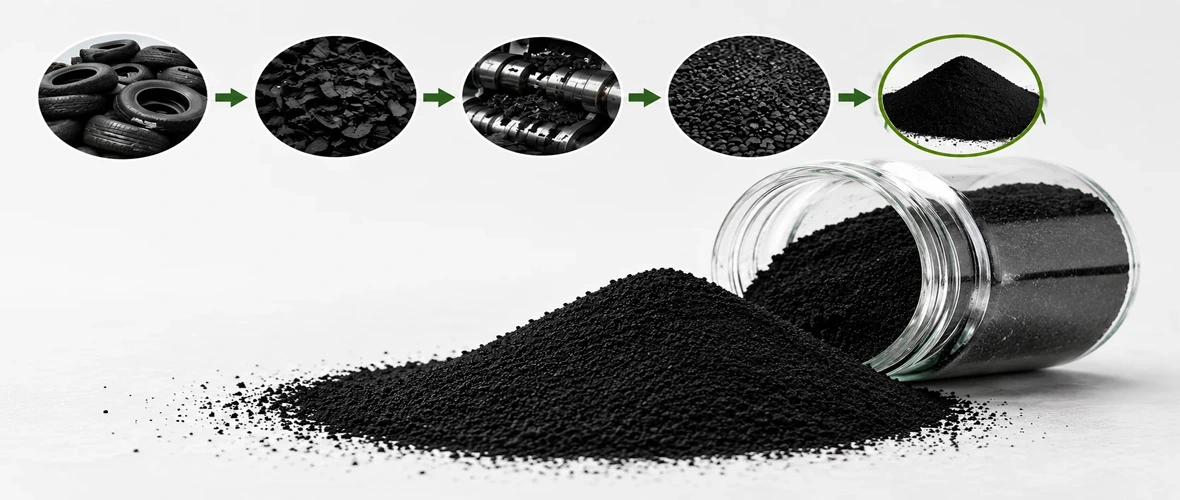
Recycled Micronized Rubber Powder is generally manufactured through a multi-stage recycling and size-reduction process.
The process typically begins with the collection and sorting of suitable scrap rubber materials. When end-of-life tyres are used as the raw material, the tyres are first processed into smaller pieces.
A typical production process may involve:
- Collection of end-of-life tyres or suitable scrap rubber.
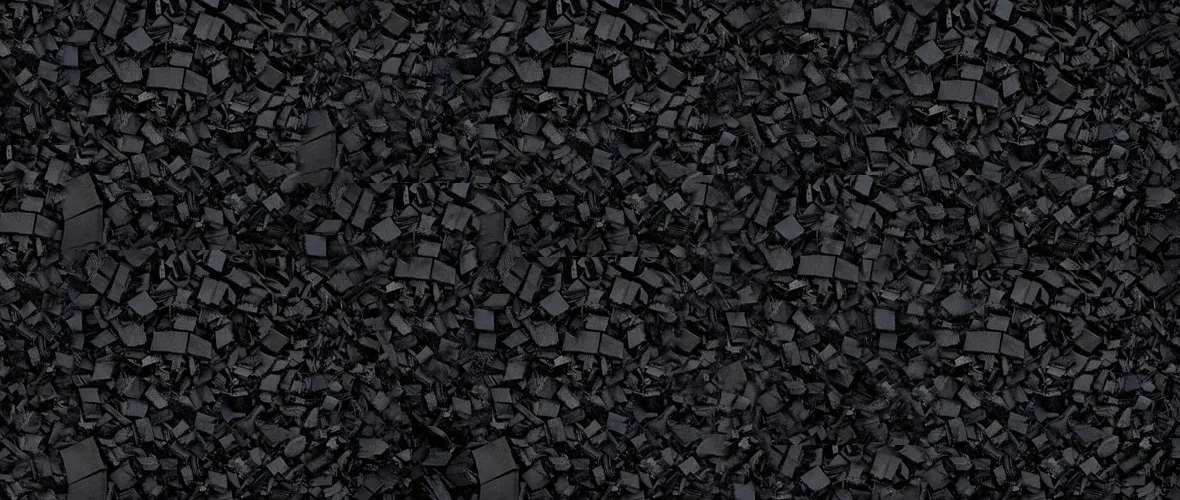
- Initial cutting and shredding of the rubber material.
- Size reduction into smaller rubber particles.
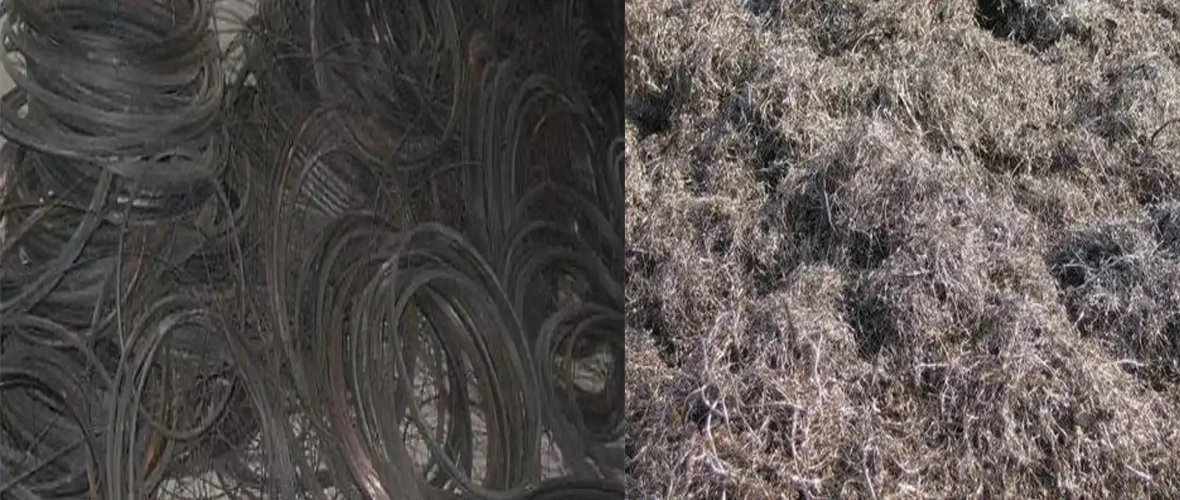
- Separation of steel and other metallic components.
- Removal of textile fibres and unwanted materials.
- Further grinding of the recovered rubber.
- Screening and classification according to particle or mesh size.
- Quality checks for particle consistency and contamination.
- Packaging for storage, transportation and industrial use.
Additional grinding or specialised size-reduction processes may be required when producing very fine or micronized rubber powder.
The exact manufacturing process can vary according to the raw material, required fineness and final application.
What Does Mesh Size Mean in Micronized Rubber Powder?
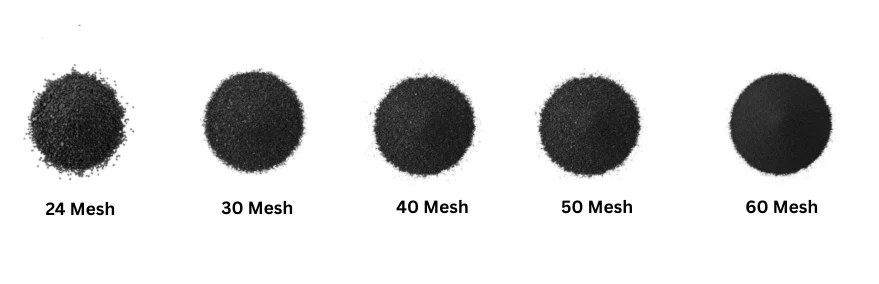
Micronized Rubber Powder is commonly classified according to mesh size.
Mesh is a screening-based measurement used to describe particle fineness. In general, a higher mesh number represents finer particles because the material must pass through smaller screen openings.
For example, 24–30 Mesh Micronized Rubber Powder is generally coarser than 40 Mesh, 50 Mesh and 60 Mesh Micronized Rubber Powder. Higher mesh numbers indicate finer particles.
However, mesh-to-millimetre or micron conversion should not be treated as universally exact without considering the applicable sieve standard. Buyers should therefore confirm the actual particle-size distribution and technical specification provided by the manufacturer.
Selecting the correct mesh size is important because particle size can influence:
Mixing behaviour
Surface area
Binder interaction
Dispersion within compounds
Surface finish
Processing characteristics
Final product performance
The required mesh size should always be determined according to the intended manufacturing process and application.
Available Micronized Rubber Powder Mesh Grades
24–30 Mesh Micronized Rubber Powder
A relatively coarser Micronized Rubber Powder grade suitable for selected rubber product manufacturing, moulded rubber components, rubber mats, flooring products and industrial applications where a controlled coarse particle size is preferred.
40 Mesh Rubber Powder
A finer Micronized Rubber Powder grade offering improved particle distribution for selected rubber compounds, flooring products, moulded components and industrial manufacturing applications.
50 Mesh Micronized Rubber Powder
50 Mesh Micronized Rubber Powder provides finer particle size for applications requiring improved blending, mixing and dispersion within rubber compounds and manufacturing formulations.
60 Mesh Micronized Rubber Powder
60 Mesh is one of the finest Micronized Rubber Powder grades supplied by NHA Rubbers. It is suitable for selected industrial formulations requiring finer particle distribution, improved mixing characteristics and controlled processing behaviour.
What Is Micronized Rubber Powder Used For?
Recycled Rubber Powder has potential applications across several industries. The correct use depends on particle size, rubber composition, purity and the technical requirements of the final product.
Rubber Mats
Micronized Rubber Powder can be used as a secondary raw material in selected rubber mat formulations.
Potential products include:
Industrial mats
Utility mats
Floor mats
Gym mats
Protective mats
Anti-fatigue products
The suitability of Micronized Rubber Powder depends on the manufacturing method, formulation and required mechanical properties.
Moulded Rubber Products
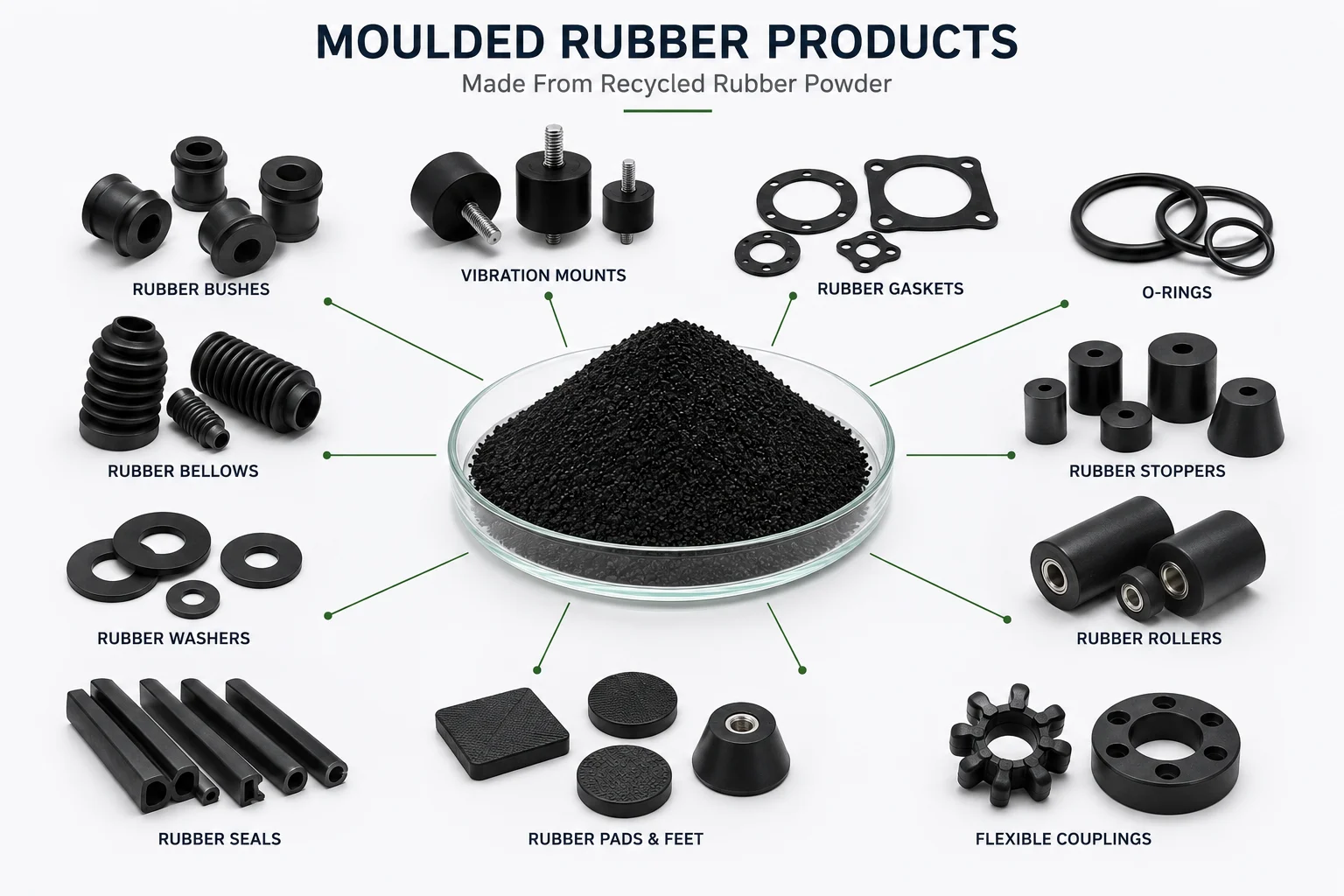
Fine recycled rubber particles may be incorporated into selected moulding compounds.
Depending on the formulation, Rubber Powder may be considered for manufacturing:
Moulded rubber components
Protective rubber products
Industrial rubber parts
Utility rubber products
Selected automotive rubber components
Manufacturers should determine the appropriate recycled rubber content according to product specifications and performance requirements.
Conveyor Belts and Industrial Rubber Products
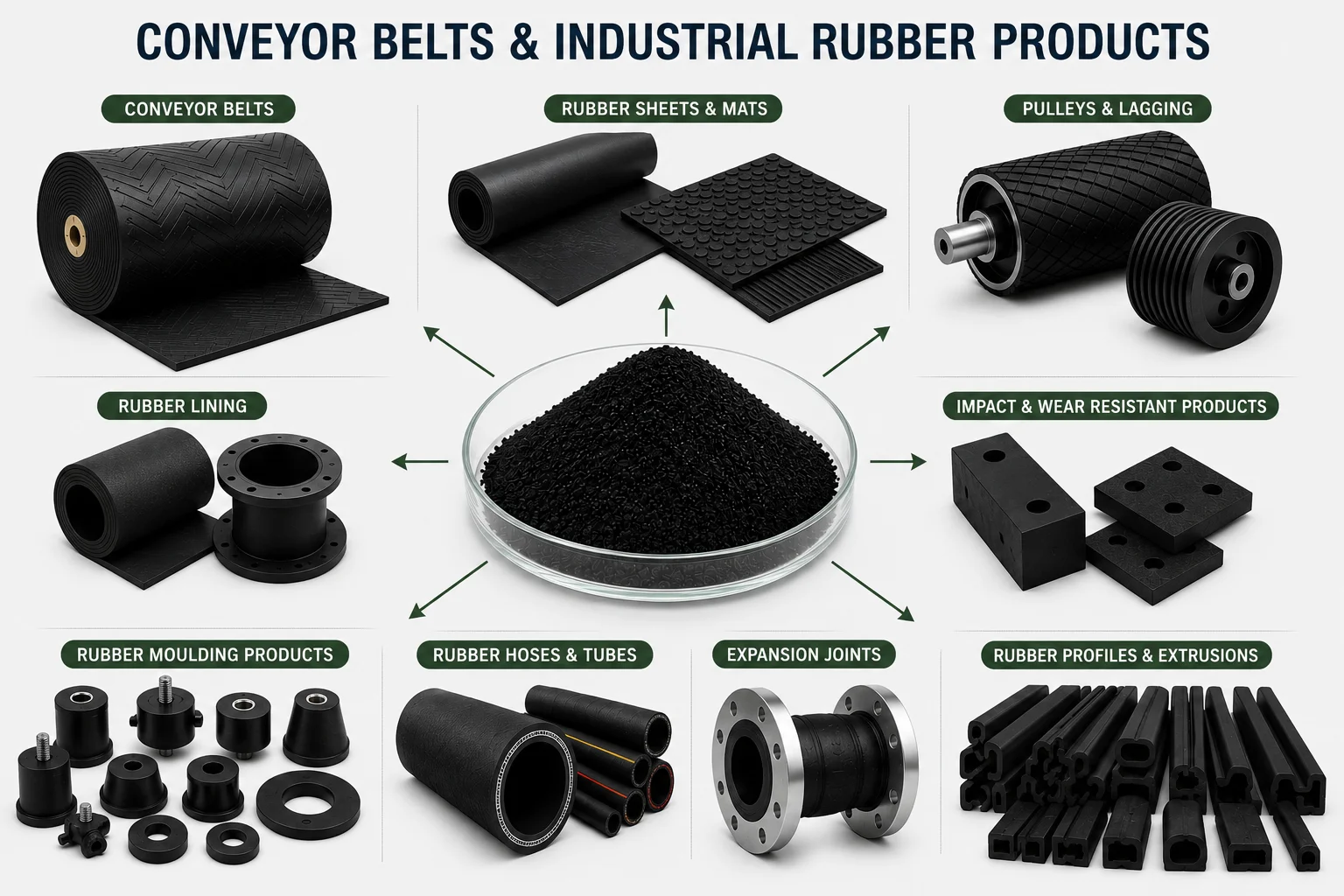
Micronized Rubber Powder may be considered as a secondary raw material in selected conveyor belt and industrial rubber formulations.
Its suitability depends on the compound recipe, required strength, abrasion characteristics and other performance parameters.
The amount and grade of recycled Rubber Powder should be determined through appropriate formulation and product testing.
Footwear Products
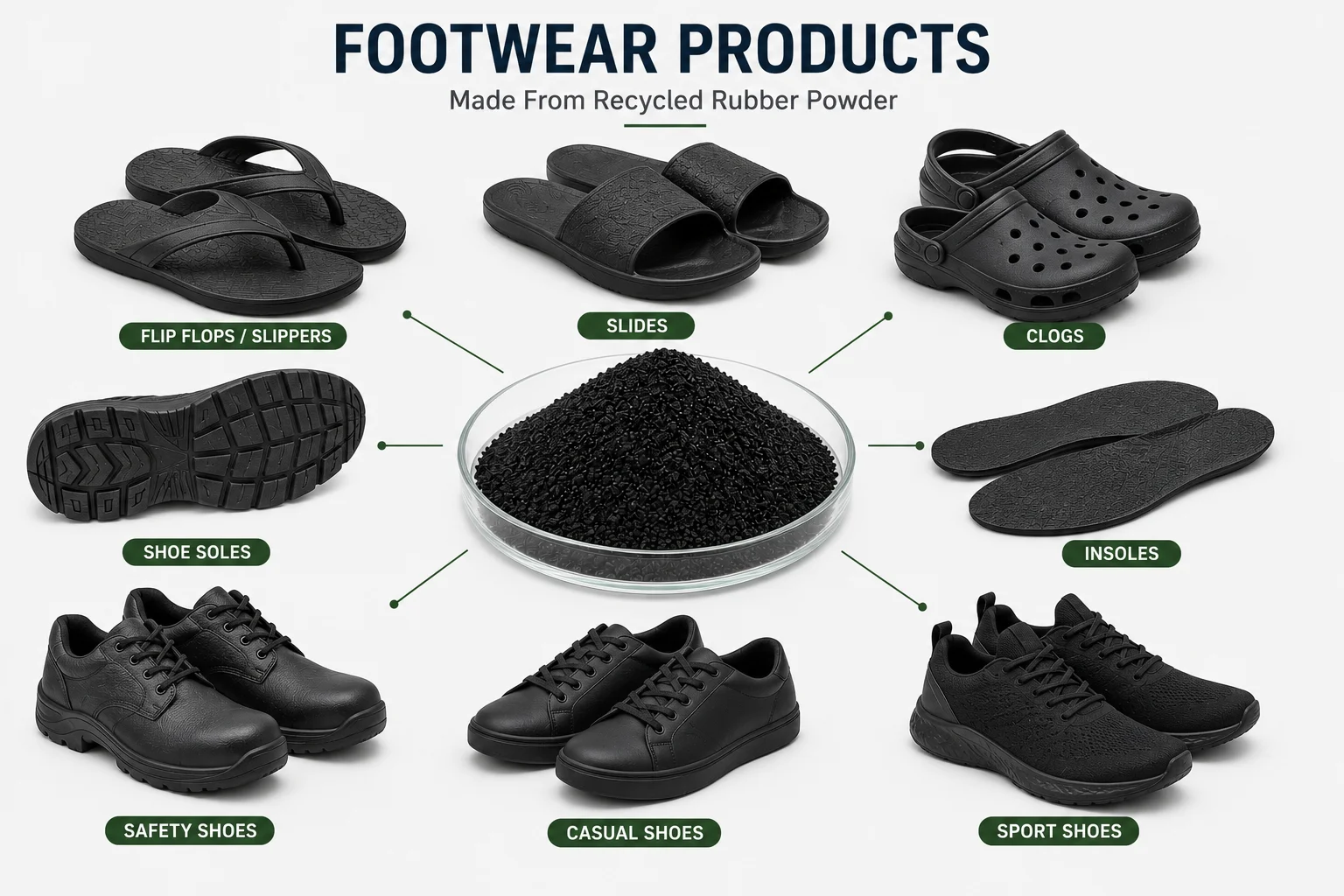
Selected Micronized Rubber Powder grades can be considered for use in footwear-related rubber compounds.
Potential applications may include certain types of soles and other moulded footwear components.
The required particle size and rubber composition depend on the desired flexibility, appearance, durability and manufacturing process.
Adhesives, Sealants and Binder Systems
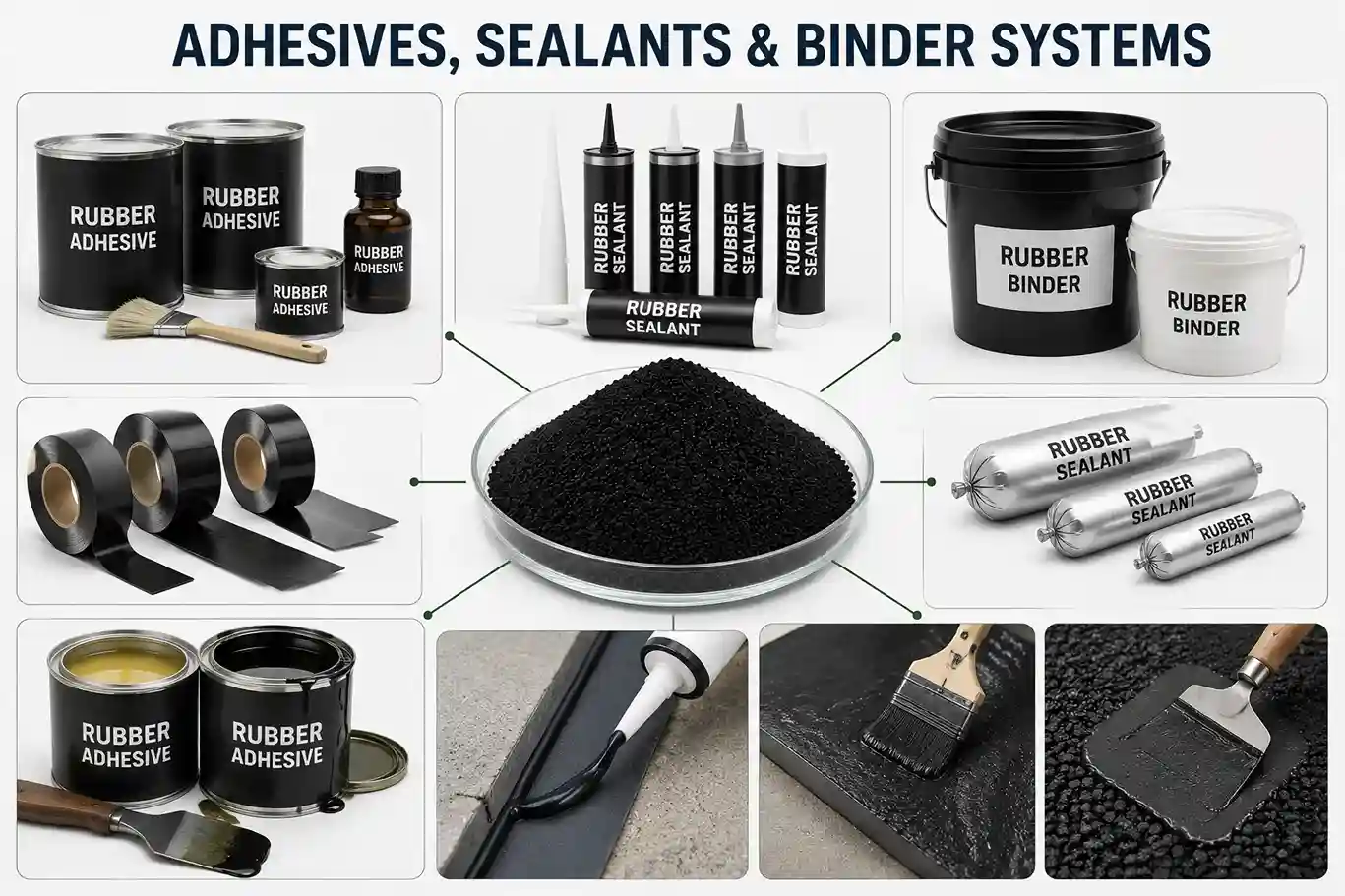
Fine Micronized Rubber Powder such as 40 Mesh, 50 Mesh and 60 Mesh may be considered as a functional component or filler in selected adhesive, sealant and binder formulations where controlled particle distribution is required.
Tyre and Rubber Compound Applications
Recycled Micronized Rubber Powder may be incorporated into selected tyre and non-tyre rubber compounds where technically suitable.
The percentage of recycled rubber that can be incorporated depends on several factors, including:
Virgin rubber formulation
Rubber Powder particle size
Material composition
Required mechanical properties
Processing conditions
Performance requirements of the finished product
Recycled Micronized Rubber Powder should not be treated as a universal one-to-one replacement for virgin rubber. Its suitability and proportion should be established through formulation development and testing.
What Products Can Be Made Using Micronized Rubber Powder?
Depending on its particle size, quality and compatibility with the manufacturing process, Recycled Micronized Rubber Powder can be used in or contribute to the production of various products.
Potential products and applications include:
Rubber floor tiles
Interlocking rubber tiles
Rubber mats
Gym flooring products
Industrial mats
Moulded rubber components
Rubber sheets
Conveyor-related rubber products
Footwear components
Selected automotive rubber products
Protective rubber products
Paving-related products
Adhesive and sealant formulations
Rubber compounds
Road and asphalt materials using application-specific grades
Not every Rubber Powder grade is suitable for every product. The intended application should determine the required mesh size and technical specification.
Key Benefits of Using Recycled Micronized Rubber Powder
Gives Waste Rubber a Second Life
Producing Rubber Powder from suitable scrap rubber helps recover useful material that can be processed for secondary applications.
Supports Circular Material Use
Recycling enables recovered rubber to re-enter manufacturing cycles rather than being treated solely as waste.
Fine Particle Structure
Compared with larger granules, Micronized Rubber Powder offers a finer particle structure that can be useful for blending, mixing and incorporation into selected formulations.
Multiple Mesh Options
Available in 24–30 Mesh, 40 Mesh, 50 Mesh and 60 Mesh, Micronized Rubber Powder allows manufacturers to choose the most suitable particle size according to their formulation, processing method and end-product requirements.
Wide Range of Potential Applications
Rubber Powder can serve different industries, including rubber-product manufacturing, flooring, moulding, footwear and infrastructure.
Potential to Reduce Virgin Material Requirements
In suitable formulations, recycled Rubber Powder may partially substitute other raw materials. The actual replacement ratio should be determined through technical evaluation and testing.
Resource Recovery from End-of-Life Products
Processing used tyres and other suitable scrap rubber into reusable material helps recover value from products that have reached the end of their original service life.
Industries That Use Micronized Rubber Powder
Recycled Micronized Rubber Powder can potentially serve a diverse range of industrial buyers and manufacturers, including:
Rubber product manufacturers
Rubber tile manufacturers
Flooring manufacturers
Rubber mat manufacturers
Moulded rubber product manufacturers
Conveyor belt manufacturers
Footwear manufacturers
Automotive component manufacturers
Construction material manufacturers
Road and infrastructure companies
Adhesive and sealant manufacturers
Rubber compounders
The required material grade should be selected according to each industry's technical and manufacturing requirements.
How to Choose the Right Micronized Rubber Powder
Selecting Micronized Rubber Powder should not be based only on price or mesh number.
Industrial buyers should consider:
Raw material source
Rubber composition
Mesh or particle size
Particle-size consistency
Metal contamination
Fibre contamination
Moisture level
Ash content, where relevant
Cleanliness
Compatibility with the manufacturing process
Required surface finish
Mixing and dispersion requirements
End-product performance
Packaging requirements
For specialised industrial applications, buyers should evaluate technical specifications and conduct application-specific testing before large-scale production.
Micronized Rubber Powder and Sustainable Rubber Recycling
End-of-life tyres and other discarded rubber products represent a significant source of recoverable material.
By processing suitable waste rubber into granules, crumb and Rubber Powder, valuable rubber resources can be redirected into new manufacturing applications.
This creates a material recovery chain:
Scrap Rubber → Sorting → Shredding → Material Separation → Grinding → Fine Rubber Powder → New Manufacturing Applications
The result is a secondary raw material that can potentially support the manufacture of new rubber-based and industrial products.
Rubber recycling therefore connects waste recovery with manufacturing by helping extend the useful lifecycle of rubber materials.
Recycled Micronized Rubber Powder for Industrial Applications
NHA Rubbers offers Recycled Micronized Rubber Powder for manufacturers and industrial buyers looking for processed rubber material for suitable production and application requirements.
Whether Rubber Powder is required for rubber products, flooring, moulded components, industrial compounds or other specialised applications, choosing the correct particle size and specification is essential.
NHA Rubbers supplies Recycled Rubber Powder in 24–30 Mesh, 40 Mesh, 50 Mesh and 60 Mesh grades for a wide range of industrial applications. Share your required mesh size, quantity, packaging preference and intended application, and our team will help you select the most suitable Rubber Powder grade for your manufacturing requirements.