
Rubber Granules
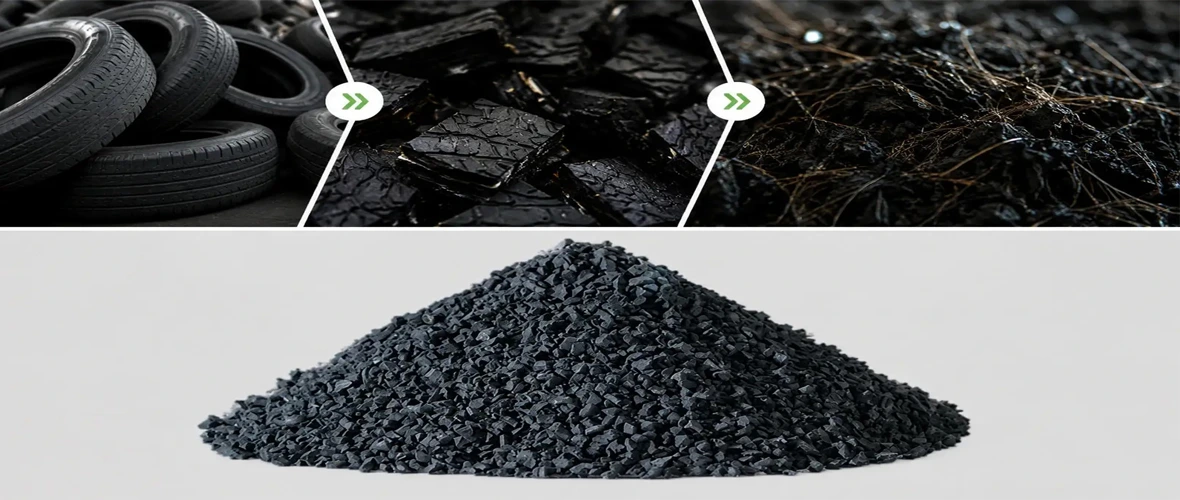
Give waste rubber a new purpose with high-quality Recycled Rubber Granules from NHA Rubbers. Produced by processing scrap rubber materials such as end-of-life tyres and other suitable discarded rubber products, these granules provide a practical secondary raw material for a wide range of flooring, sports, infrastructure and rubber-based applications.
Available in different particle sizes and mesh grades, our recycled rubber granules can be selected according to the performance and processing requirements of the intended application.
What Are Recycled Rubber Granules?
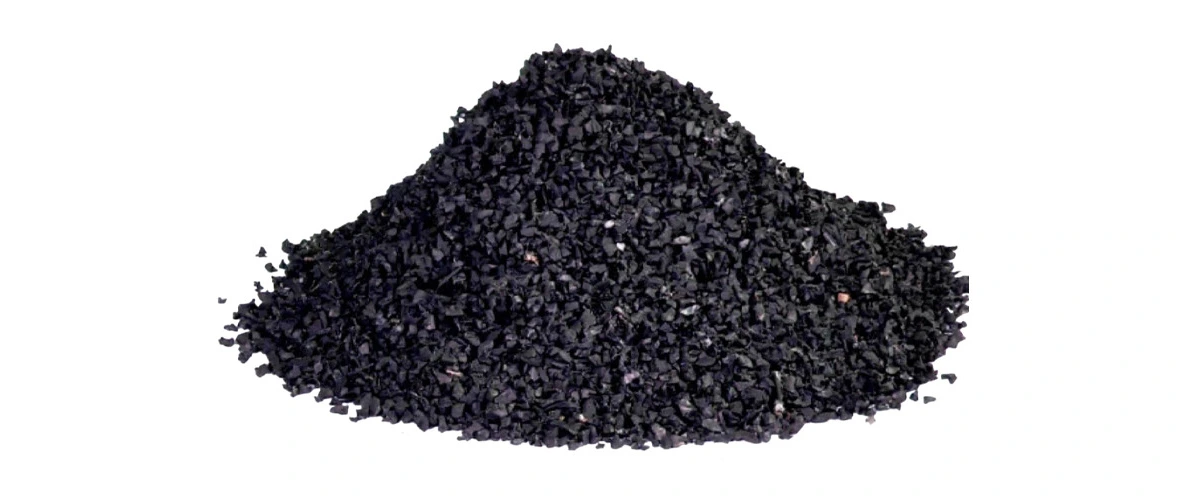
Recycled Rubber Granules are small, consistently sized rubber particles produced by processing and reducing suitable scrap rubber materials, including used tyres, into reusable granulated form.
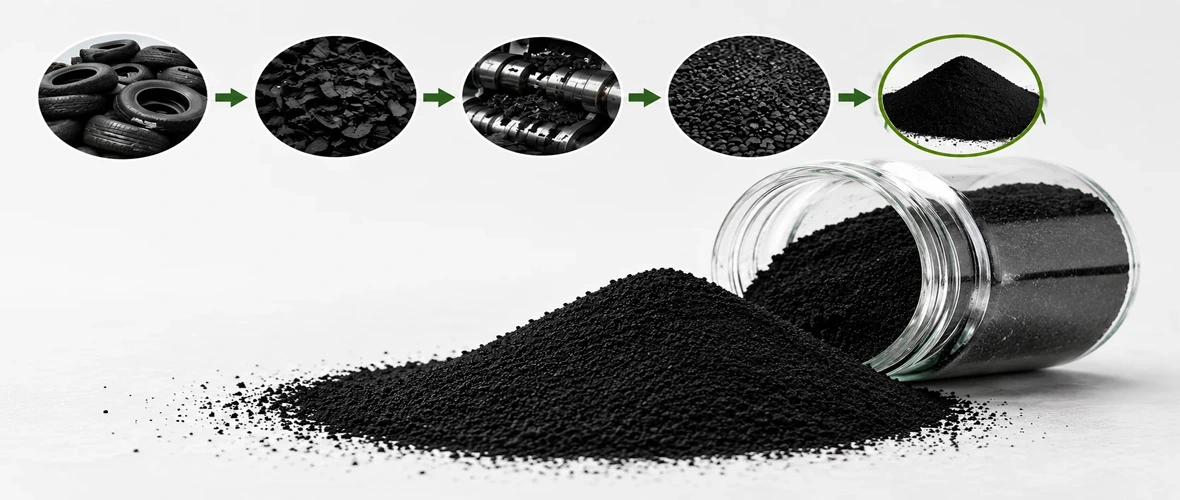
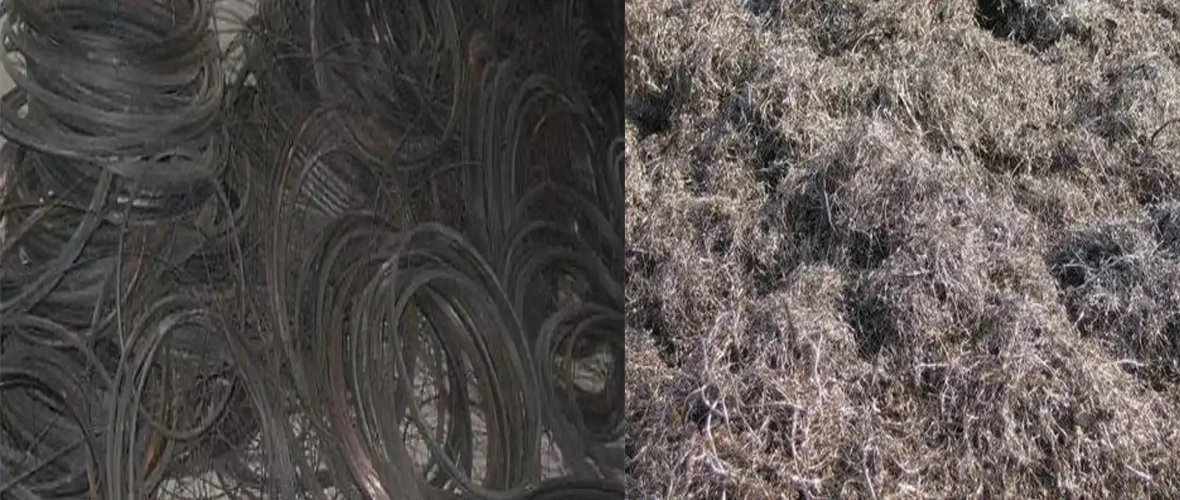
During recycling, scrap rubber is mechanically processed into smaller particles. In tyre-derived recycling, non-rubber components such as steel and textile fibre are separated during processing to obtain reusable rubber material.
Instead of allowing useful rubber resources to remain in the waste stream, recycling gives the material a second life. The resulting granules can be used directly in suitable surface systems or as a secondary raw material for manufacturing various rubber-based products.
Depending on particle size, formulation and application requirements, recycled rubber material may be classified or supplied in forms ranging from coarser granules to finer crumb and rubber powder.
Recycled Rubber Granules from Scrap Tyres and Rubber Products
A significant source of recycled rubber is end-of-life tyres. Tyres contain durable rubber compounds designed to withstand repeated impact, abrasion and demanding operating conditions. Once tyres reach the end of their usable life, their rubber content can still be recovered and processed for secondary applications.
The recycling process generally involves:
- Collection and sorting of suitable scrap rubber or end-of-life tyres.
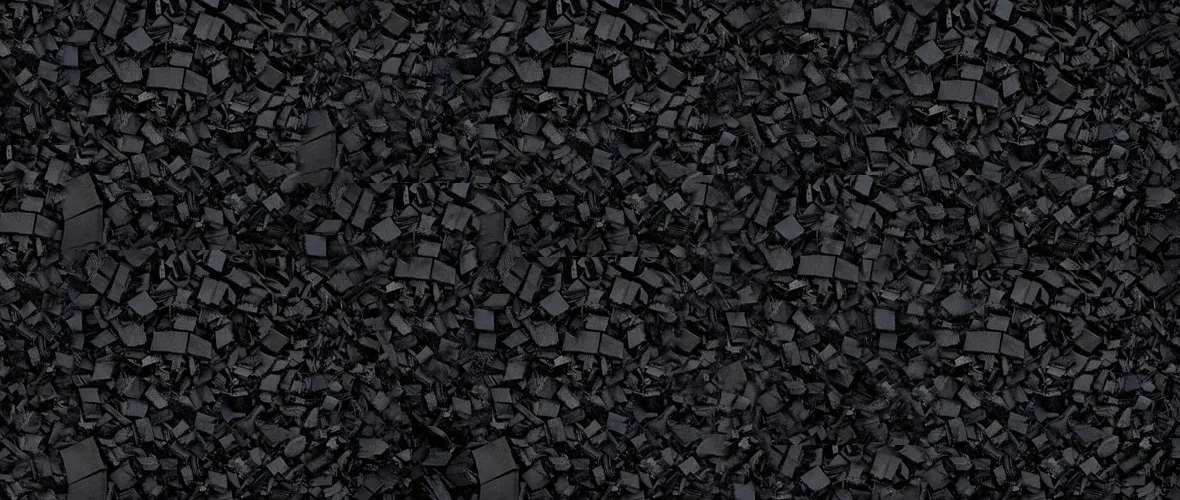
- Mechanical cutting or shredding into smaller pieces.
- Separation of recoverable components such as steel and textile fibre, where applicable.
- Further size reduction of the recovered rubber.
- Screening and classification according to required particle size.
- Final screening, grading and packaging according to the required particle size and application.
- Packaging of the finished recycled rubber granules.
The exact production process can vary according to the raw material, required particle size, purity and intended end use.
Which Recycled Rubber Granule Size Should You Choose?
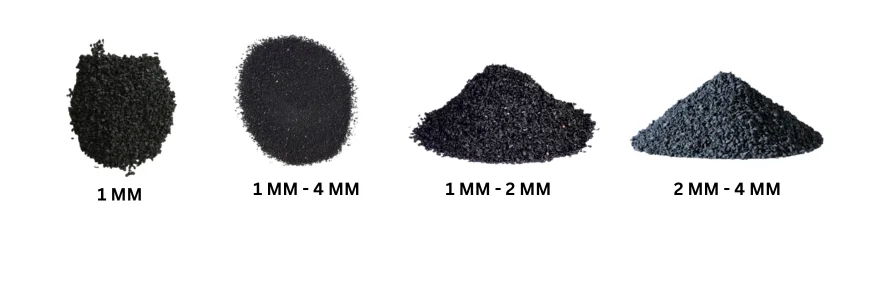
Choose 1 mm (18 Mesh) when your application requires finer and more uniform rubber particles for controlled blending and manufacturing processes.
Choose 1–2 mm (10–18 Mesh) for applications requiring a balanced particle size suitable for flooring products, rubber tiles and selected sports surface systems.
Choose 1–4 mm (18–5 Mesh) where a wider particle-size distribution is preferred for versatile rubber-based applications, including playgrounds, sports flooring and resilient surface systems.
Choose 2–4 mm (5–10 Mesh) when larger rubber particles are required for thicker resilient layers, playground flooring base layers, moulded rubber products and shock-absorbing systems.
Final material selection should always be based on the technical requirements of the finished product or installation system.
Choosing the Right Granule Size
The correct particle size depends on the final product and its required properties. Factors such as surface thickness, density, drainage, impact absorption, binder compatibility, appearance and manufacturing process should be considered before selecting a granule grade.
For industrial manufacturing or specialised projects, buyers should evaluate the granule specification according to their formulation, process and final performance requirements.
Where Are Recycled Rubber Granules Used?
The versatility of recycled rubber allows granules to be used across multiple industries and product categories. The exact suitability depends on granule size, material composition, processing quality and the technical requirements of the final product.
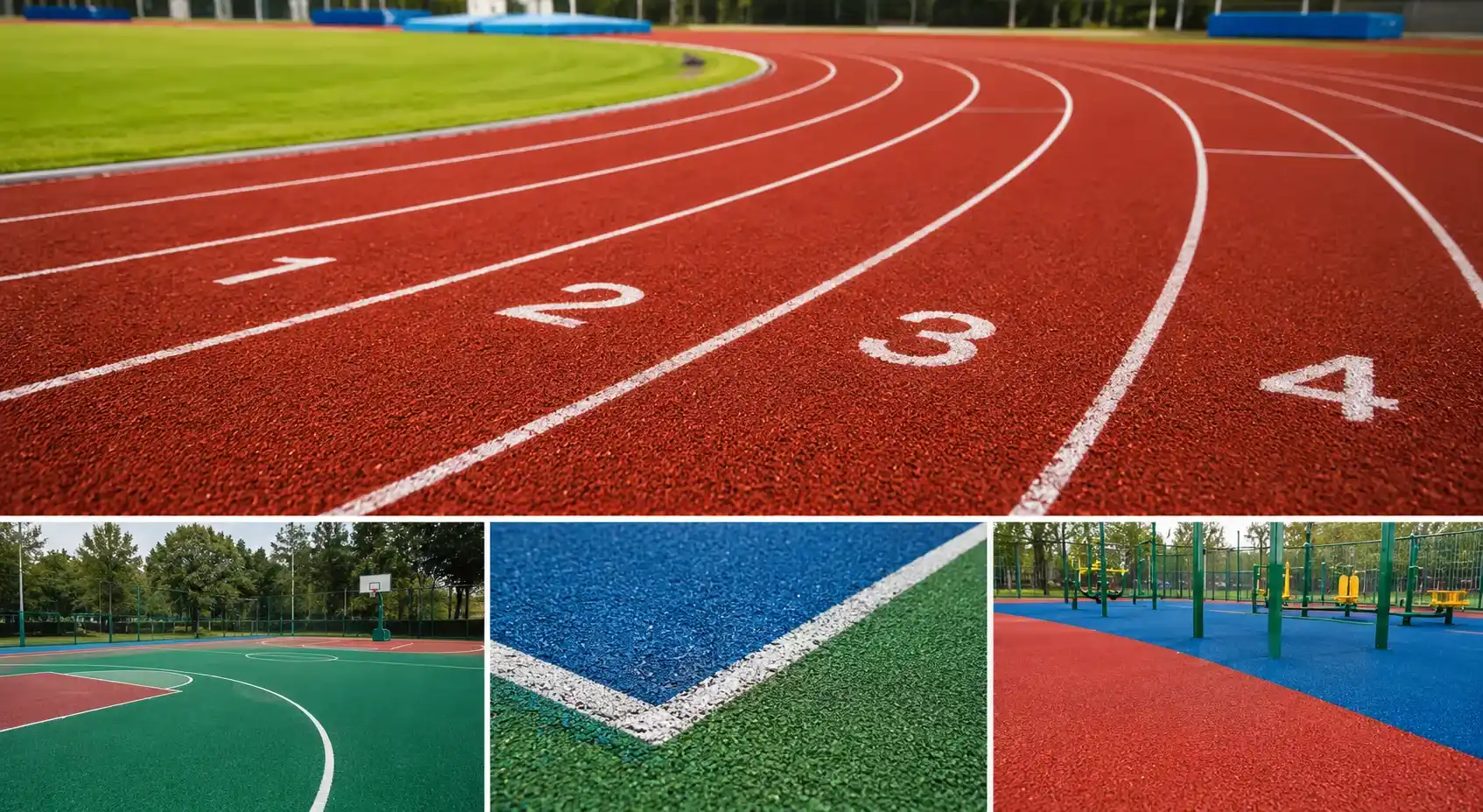
Recycled rubber granules can be used as a component in selected sports surfacing systems where resilience, cushioning and impact management are required.
Potential applications include:
Running track base systems
Sports flooring
Multi-purpose sports areas
Selected court surfacing systems
Training areas
The final system design, binder and top-layer materials determine the performance of the completed sports surface.
Playground Safety Surfaces
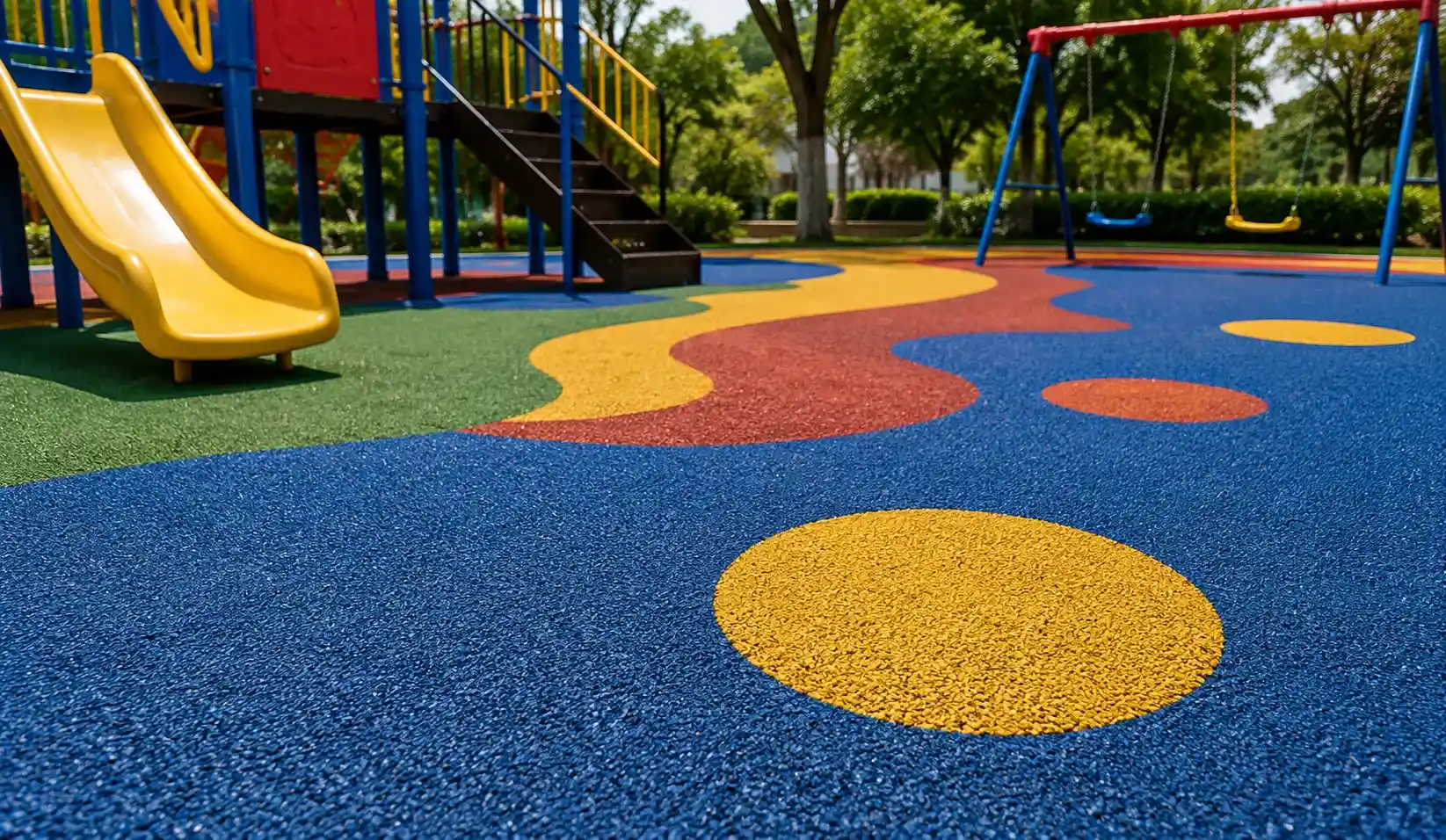
Rubber granules are commonly considered for resilient playground surfacing systems. Their flexible nature can contribute to cushioning and impact-absorbing characteristics when incorporated into a properly engineered surface system.
They may be used in base or underlayers beneath suitable finished surfaces, depending on the playground flooring design.
Artificial Turf and Synthetic Grass Systems
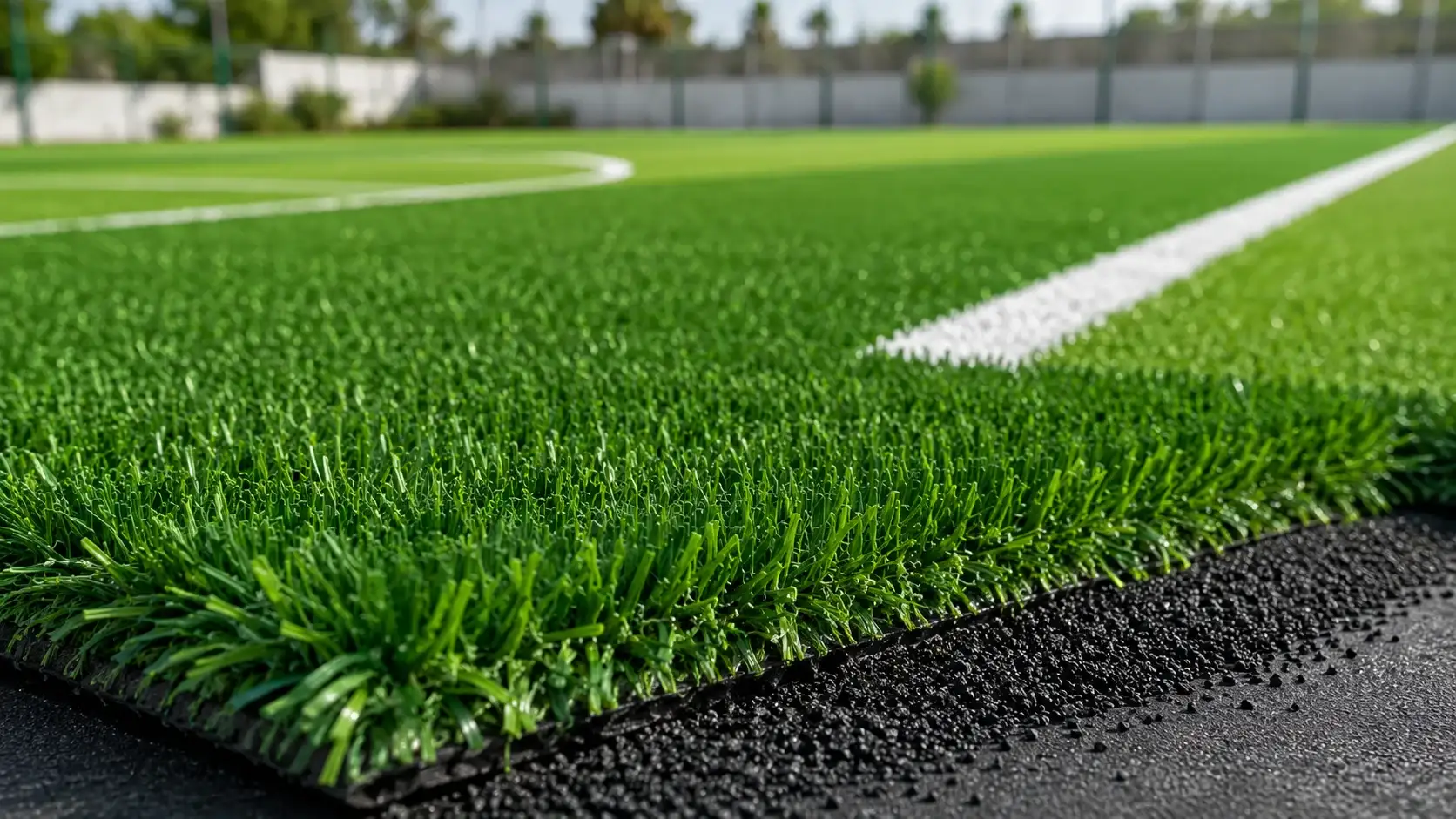
Recycled rubber granules may be used in certain artificial turf systems as infill material or as part of the supporting system.
Depending on the turf specification, granules can contribute to surface resilience and stability. The correct particle size and infill specification should be selected according to the turf manufacturer's or project consultant's requirements.
Rubber Tiles and Flooring
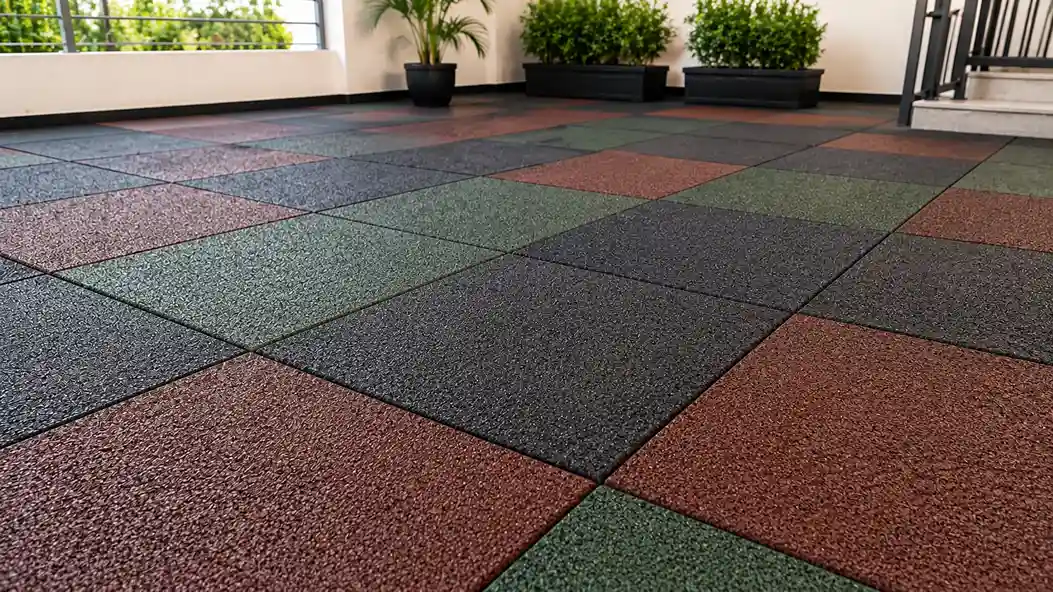
Recycled rubber granules can be combined with suitable binders and processed into different flooring products.
These may include:
Rubber floor tiles
Interlocking tiles
Outdoor rubber flooring
Safety flooring
Industrial floor mats
Anti-fatigue mats
Protective flooring products
The granule size, binder ratio, moulding process and product density influence the final characteristics of the flooring product.
Landscaping and Outdoor Surfaces
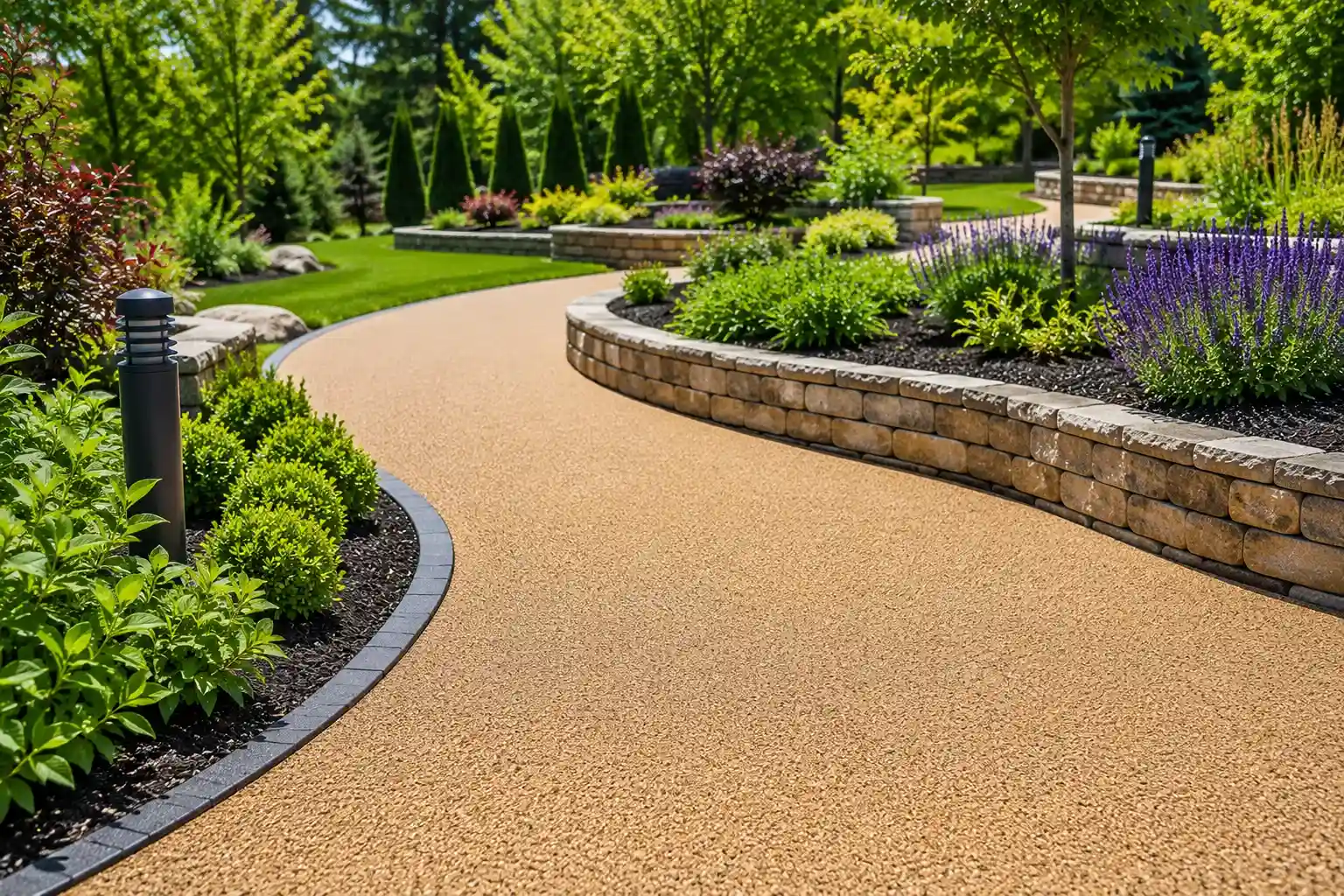
Rubber granules may also be considered for selected outdoor and landscaping applications where resilient or decorative surfaces are required.
Rubber granules can be used in selected landscape and recreational surface systems where resilient and durable ground coverage is required. The suitability depends on the project specifications and intended application.
What Can Be Made from Recycled Rubber Granules?
Recycled rubber granules are not limited to one application. Depending on their size, quality and processing method, they can be used as raw material or as a component in the production of a variety of finished products.
Examples include:
Rubber flooring tiles
Interlocking rubber tiles
Gym flooring
Playground surface systems
Sports flooring systems
Running track base layers
Artificial turf systems
Rubber mats
Anti-fatigue mats
Protective flooring
Shock-absorbing underlayers
Moulded rubber products
Selected industrial rubber products
Rubber-modified road materials using application-specific crumb or powder
Not every granule grade is suitable for every product. The final application should determine the required particle size, purity, composition and processing specification.
Key Characteristics of Recycled Rubber Granules
Recycled Raw Material
The use of recovered rubber helps convert scrap rubber resources into useful secondary materials for new applications.
Resilient Material
Rubber naturally offers flexibility and resilience, making recycled granules suitable for many applications where cushioning or surface elasticity is required.
Impact Absorption
When incorporated into properly designed flooring and surface systems, rubber granules can contribute to impact-absorbing characteristics.
Noise and Vibration Management
Rubber-based products are commonly used in applications where some degree of vibration damping or noise reduction is beneficial. Actual performance depends on the design and construction of the finished product.
Suitable for Multiple Applications
Different granule sizes allow recycled rubber to serve diverse markets, ranging from flooring and sports infrastructure to rubber-product manufacturing.
Resource Recovery
Recycling helps recover useful rubber from end-of-life products and supports a more circular approach to material utilisation.
Recycled Rubber Granules vs. Crumb Rubber vs. Rubber Powder
These terms are sometimes used interchangeably, but they can refer to different particle-size categories.
Recycled Rubber Granules generally refer to visibly granulated rubber particles available in millimetre-based size ranges.
Crumb Rubber is a broader industry term often used for rubber particles produced from recycled tyres or other rubber feedstock. Depending on the supplier and application, crumb rubber can be supplied in different particle sizes or mesh grades.
Rubber Powder refers to much finer rubber particles produced through additional grinding or milling processes.
Micronized Rubber Powder is an even finer processed rubber material intended for specialised compounding and manufacturing applications.
The terminology and size classification can vary between manufacturers. Buyers should therefore rely on actual particle-size specifications rather than product terminology alone when selecting material.
Fine, Standard or Coarse: Which Rubber Granule Should You Choose?
Choose 0.5–2 mm fine granules when your application requires relatively smaller particles or finer material distribution.
Choose 1–3 mm standard granules for versatile applications where a balanced particle-size range is required.
Choose 2–4 mm coarse granules where larger particles are suitable for thicker resilient layers or specific moulded and surfacing applications.
These are general selection guidelines. Final material selection should always be based on the technical requirements of the finished product or installation system.
Industries That Use Recycled Rubber Granules
Recycled rubber granules can serve buyers and manufacturers across industries such as:
Rubber product manufacturing
Sports infrastructure
Playground development
Artificial turf installation
Gym and fitness flooring
Commercial flooring
Industrial flooring
Construction
Road infrastructure
Landscaping
Recreational infrastructure
Moulded rubber product manufacturing
Manufacturers, contractors and bulk buyers can select the required grade according to their processing or project requirements.
Why Recycled Rubber Granules Matter
Scrap tyres and other discarded rubber products contain material that can potentially be recovered and reused rather than treated only as waste.
Processing suitable scrap rubber into granules creates a secondary raw material that can enter another product lifecycle. This approach can reduce dependence on virgin material in applications where recycled rubber is technically suitable while supporting resource recovery and circular material use.
Recycled rubber granules therefore connect waste management with manufacturing by transforming recovered rubber into usable material for new products and applications.
Quality Factors to Consider When Buying Recycled Rubber Granules
When sourcing recycled rubber granules, buyers should consider more than just price.
Important factors include:
Particle-size consistency
Source and composition of recycled rubber
Level of contamination or foreign material
Steel and fibre separation
Moisture content
Granule cleanliness
Particle-size uniformity across batches
Bulk density, where relevant
Compatibility with binders or manufacturing processes
Packaging requirements
Application-specific technical specifications
For specialised applications, buyers should request and evaluate appropriate technical data before placing bulk orders.
Packaging & Delivery
NHA Rubbers offers packaging options designed to support different order and handling requirements.
Available packaging options include:
25 kg bags
20 kg – 50 kg jumbo bags
Custom packaging available upon request
Packaging requirements can be discussed according to order quantity, storage, handling and transportation needs.
Recycled Rubber Granules for Your Application
Whether you require recycled rubber granules for flooring, sports surfaces, playground systems, artificial turf, rubber-product manufacturing or another suitable application, selecting the right particle size and material specification is essential.
NHA Rubbers supplies Recycled Rubber Granules in multiple particle-size and mesh grades, including 1 mm (18 Mesh), 1–2 mm (10–18 Mesh), 1–4 mm (18–5 Mesh) and 2–4 mm (5–10 Mesh) to meet different industrial and commercial application requirements.